
Exploring the relationship between gambling habits and mental health challenges
Understanding Gambling Habits
Gambling habits can vary widely among individuals, ranging from casual participation to compulsive behaviors. Those who engage in gambling often seek thrills or distractions, which can lead to a cycle of repeated behavior. Understanding these habits is crucial, as they can provide insight into potential mental health challenges that arise. For example, casual gamblers might enjoy a night out at a casino; however, others may find themselves drawn into a pattern of excessive gambling that affects their daily lives. Many players seek platforms like spindogcasinos-uk.com to enhance their experience.
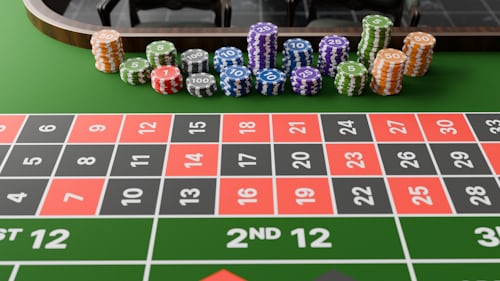
One notable aspect of gambling habits is the psychological allure it holds. The excitement of winning can release dopamine, creating a sense of euphoria that encourages repeat behavior. Unfortunately, this can lead to addiction, where the individual starts gambling to escape from negative emotions or stressors in their life. Awareness of these underlying motivations is essential for recognizing when gambling transitions from a hobby into a more severe issue, paving the way for mental health challenges.
Additionally, various factors influence gambling habits, including social environment, financial status, and personal history. People in high-stress situations or those experiencing financial difficulties may turn to gambling as a coping mechanism. This behavior can lead to a detrimental cycle; as losses accumulate, individuals may feel compelled to gamble even more in an attempt to regain their losses, which can compound their mental health issues.
The Impact of Gambling on Mental Health
The relationship between gambling and mental health is complex and multifaceted. Individuals who struggle with gambling addiction often experience a range of psychological effects, including anxiety, depression, and stress. These mental health challenges can stem from the consequences of gambling, such as financial ruin, strained relationships, and loss of self-esteem. The emotional toll can further entrench individuals in a cycle of compulsive gambling, leading to even deeper mental health issues.
Moreover, the stigma surrounding gambling addiction can exacerbate mental health challenges. Many individuals may feel ashamed to seek help due to societal perceptions of gambling. This shame can prevent them from accessing support systems that could alleviate their distress. Recognizing the overlap between gambling and mental health issues can foster a more compassionate understanding and encourage those affected to seek help without fear of judgment.
Research indicates that individuals with existing mental health conditions are more susceptible to developing gambling problems. Conditions such as depression, bipolar disorder, or anxiety can predispose individuals to seek out gambling as a form of escape. This connection highlights the need for comprehensive treatment approaches that address both gambling behaviors and underlying mental health challenges, ensuring a holistic recovery process.
Identifying Signs of Gambling Addiction
Recognizing the signs of gambling addiction is crucial for early intervention and support. Common indicators include a preoccupation with gambling, increased time spent gambling, and neglecting responsibilities. Individuals may also experience emotional distress, such as irritability or restlessness when trying to cut back on gambling. Understanding these signs can empower friends and family members to step in and provide support to those struggling with gambling-related issues.
Another important sign of gambling addiction is the tendency to chase losses. This behavior entails continuing to gamble in hopes of recouping lost money, leading to further financial and emotional distress. Individuals may borrow money or sell possessions to fund their gambling, which can strain personal relationships and lead to feelings of guilt and shame. Identifying this destructive cycle is essential in fostering awareness and promoting intervention strategies.
Seeking help can be challenging for those affected, but understanding the signs can pave the way for recovery. Community support groups and professional counseling offer essential resources for individuals and their families. These interventions can help break the cycle of addiction and provide strategies for healthier coping mechanisms, thereby addressing both gambling habits and associated mental health challenges.
Strategies for Coping and Recovery
Effective coping strategies are crucial for individuals looking to overcome gambling addiction and associated mental health challenges. Therapy is often an essential component of recovery. Cognitive-behavioral therapy (CBT) has proven effective in helping individuals change harmful thought patterns and behaviors associated with gambling. Therapists can guide individuals in identifying triggers and developing healthier coping mechanisms, ultimately leading to long-term recovery.
Support groups such as Gamblers Anonymous provide a space for individuals to connect with others facing similar challenges. Sharing experiences can be therapeutic, allowing participants to feel less isolated and more understood. These groups often foster accountability, encouraging members to share their progress and setbacks, thus promoting resilience and motivation for recovery.
Additionally, establishing a balanced lifestyle can play a significant role in recovery. Engaging in alternative activities such as hobbies, exercise, or social events can help individuals fill the void left by gambling. Building a strong support network of friends and family can also provide emotional stability, creating a foundation for healthier coping strategies and overall well-being.

Conclusion: The Role of Online Casinos in Understanding Gambling
In today’s digital age, the rise of online casinos has transformed how individuals engage with gambling. While these platforms offer exciting entertainment, they also bring to light the importance of understanding gambling habits and their effects on mental health. Online casinos can facilitate access to gambling, but they also require users to practice responsible gaming. With the right awareness and support, players can enjoy a safe gaming experience without falling into harmful patterns.
Websites dedicated to online gaming often provide information on responsible gambling and access to support resources. They play a crucial role in educating players about the risks associated with gambling, ensuring a healthy balance, and encouraging them to seek help when necessary. By promoting a responsible gaming environment, online casinos can help mitigate the potential mental health challenges that arise from excessive gambling.